
Vibrational Sound Therapy: Science, Benefits & How to Start
Ever wondered why certain sounds seem to calm your entire body or stir something deep within you? Vibrational sound therapy taps into this natural response, using frequency and vibration to bring balance to your mind, body, and energy.
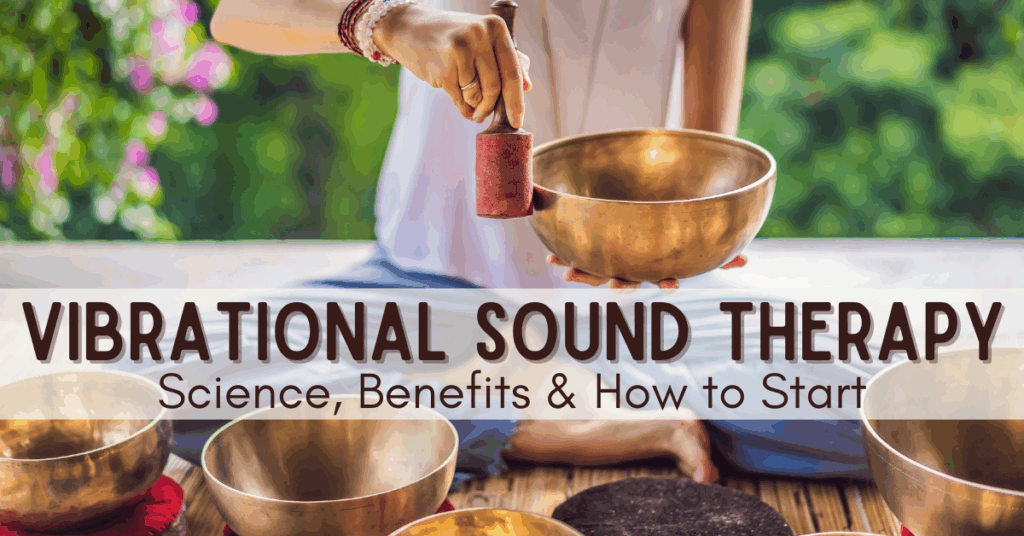
Vibrational sound therapy is gaining recognition as a powerful and accessible way to support emotional well-being, reduce stress, and restore balance to the body’s energy system.
Rooted in both ancient traditions and modern sound science, this form of therapy uses sound waves and healing frequencies to guide the mind into restful states, regulate the nervous system, and gently clear energetic blockages.
Often grouped with sound healing and other forms of vibrational healing, vibrational sound therapy works by tapping into the body’s natural response to frequency, rhythm, and vibration. Whether experienced in a sound bath, one-on-one session, or personal practice, it offers a non-invasive, deeply calming approach to energy therapy that many find both transformative and nourishing.
In this guide, we’ll explore what vibrational sound therapy is, how it works, its benefits, the tools and techniques used, and how you can begin to experience it.
This post is all about vibrational sound therapy.
TABLE OF CONTENTS
What is Vibrational Sound Therapy?
How Does Vibrational Sound Therapy Work? (The Science)
Benefits of Vibrational Sound Therapy
Vibrational Sound Therapy Techniques and Tools
How to Access Vibrational Sound Therapy (Self Guided & Practitioners)
Vibrational Sound Therapy VS Vibration Therapy
This post may contain affiliate links. We may earn a small commission at no extra cost to you—thank you for supporting what we do. We only share offerings we truly believe in.
What is Vibrational Sound Therapy?
Vibrational sound therapy is a gentle yet powerful practice that uses sound and frequency to support emotional balance, physical relaxation, and energetic alignment.
At its core is the understanding that everything in existence is made of vibrations. When sound is applied intentionally, it can help restore natural rhythms and support a return to inner harmony.
This therapy typically involves instruments like singing bowls, gongs, chimes, or tuning forks, as well as the voice through chanting or toning. The vibrations created travel through the body, resonating with our tissues, nervous system, and energy centers (chakras). These subtle shifts can ease tension, regulate breath, and guide the mind into meditative or restful states.
Vibrational sound therapy draws from ancient traditions across cultures. In India, the path of Nāda Yoga explores sound as a means to connect with the divine. In Tibet and Nepal, singing bowls have long been used in rituals and healing. Indigenous cultures around the world have used drumming, humming, and song as medicine for the spirit. Today, these ancient practices blend with modern approaches in wellness spaces, retreats, and therapeutic settings.
You may hear vibrational sound therapy referred to as sound healing, and the two terms are often used interchangeably. However, vibrational sound therapy emphasizes not only the audible sounds we hear but also the felt vibrations that affect the body’s deeper layers.
In that sense, it includes sound healing but focuses more specifically on how those vibrations interact with the body and its energetic system.
At its heart, vibrational sound therapy is about using sound to gently tune the body, mind, and spirit into balance.
How Does Vibrational Sound Therapy Work? (The Science)
Vibrational sound therapy works by sending sound waves through the body, which can influence brain activity, heart rate, breathing, and even the way our cells function. These sound vibrations help guide the body into a state of deep rest and realignment—physically, mentally, and energetically.
Two of the main scientific principles behind this practice are entrainment and resonance.
Entrainment
Entrainment is a natural phenomenon where two rhythmic systems begin to synchronize when exposed to one another. In the context of vibrational sound therapy, this means that your brainwaves can start to match the rhythm of external sound.
For example, when you listen to the slow, steady tones of a singing bowl, your brain may shift from a busy beta state (linked with thinking and stress) to a calmer alpha or theta state (linked with relaxation and meditation).
This shift isn’t forced. It happens gently, as the brain responds to the external rhythm and “entrains” to it. It’s similar to how you might start tapping your foot to the beat of music without realizing it. Entrainment helps create a calmer internal state and can support deep rest, clarity, and emotional regulation.
Resonance
Resonance refers to the way one vibration can cause another object to begin vibrating at the same frequency.
Every part of your body, your bones, organs, tissues, even your cells, has its own natural frequency. When an external sound matches or harmonizes with that frequency, it can create a vibration within you that feels stabilizing or even restorative.
For example, if your body is holding tension or emotional stress, certain sound frequencies may help release that by “shaking loose” stuck energy or guiding the system back into balance. This is why different tones or instruments are used to support different intentions, some are grounding, others uplifting or clarifying.
Parasympathetic Nervous System
In addition to entrainment and resonance, vibrational sound therapy also stimulates the parasympathetic nervous system, the part of the body responsible for rest, digestion, and healing. Vibrations can lower heart rate and blood pressure, slow the breath, and help the body shift out of a stress response into a state of calm awareness.
While vibrational sound therapy has deep roots in ancient traditions, modern studies are beginning to support its benefits. Research suggests it may reduce anxiety, improve sleep, regulate mood, and create a sense of inner clarity.
Whether through the mind, the body, or subtle energy, sound offers a non-invasive way to support holistic well-being.
Benefits of Vibrational Sound Therapy
Reduces Stress and Anxiety
Slow, rhythmic sounds help calm the mind, lower cortisol levels, and activate the body’s natural relaxation response. Many report a noticeable drop in anxious thoughts or physical tension.
Improves Sleep Quality
By quieting the nervous system and shifting brainwave activity, vibrational sound therapy can help release restlessness, leading to deeper, more restorative sleep.
Supports Emotional Release & Mental Health
Sound bypasses the thinking mind and reaches deeper layers of the emotional body. Vibrations can help unlock stored emotions and create a safe space for processing and release.
Helps with Depression and Low Mood
While not a replacement for medical care, vibrational sound therapy may help lift low mood by creating calming brainwave states and reconnecting the individual to subtle feelings of peace or vitality.
Balances the Energy System (Chakras)
Each chakra resonates with specific frequencies. Sound can help restore flow, release blocks, and bring balance to the energy body, especially when paired with breath or intention.
Regulates the Nervous System
Sound vibrations activate the vagus nerve and help shift the body from a “fight or flight” state to “rest and digest.” This supports long-term nervous system resilience and emotional stability.
Strengthens Spiritual Connection
For many, sound serves as a pathway to a higher state of awareness. Whether through chanting or deep listening, it can support a feeling of connection to something beyond the self.
Reduces Physical Pain and Tension
Sound waves move through the body like a gentle massage, relaxing muscles, softening tightness, and increasing circulation. Some people report relief from chronic pain or tension headaches.
Promotes Mind-Body Integration
Vibrational sound therapy works through physical and energetic layers, promoting alignment of body, mind, and spirit

Download Our FREE Healing Frequencies Bundle!
Get instant access by filling out the form below! This free 5-page bundle includes a chart linking each healing frequency to its benefits, along with chakra and solfeggio diagrams and a comparison chart.
Vibrational Sound Therapy Techniques and Tools
Vibrational sound therapy can be experienced in many different ways, depending on the instruments used and the intention of the session. While the underlying principle is the same—using sound vibrations to support relaxation, alignment, and well-being—the techniques can range from immersive sound baths to subtle one-on-one sessions.
Here are some of the most commonly used tools and approaches in vibrational sound therapy.
Singing Bowls
Both metal (Tibetan) and crystal singing bowls are widely used. When played with a mallet, they produce rich, layered tones that can fill a space and travel deeply through the body. Each bowl carries a specific note or frequency that corresponds to an energy center (chakra) or intention.
Gongs
Gongs create a powerful, multi-tonal wash of sound that’s often used to induce altered states of consciousness or emotional release. They produce strong, sweeping vibrations that move through the whole body and can create a deep sense of grounding.
Tuning Forks
Tuning forks are precision-calibrated tools that emit a pure tone when struck. Practitioners may place them near or on the body to work with specific frequencies, often to relieve pain, release blockages, or reset the body’s energy field.
Koshi Chimes and Bells
Light, airy instruments like koshi chimes or temple bells are often used to clear space, signal transitions, or bring lightness to a session. Their high-frequency tones can help uplift the energy or focus the mind.
Voice and Mantras
The voice is one of the most accessible and powerful tools in vibrational sound therapy. Techniques like humming, toning, chanting, or repeating mantras can activate the vagus nerve, calm the mind, and bring vibrational shifts from within.
Sound Baths
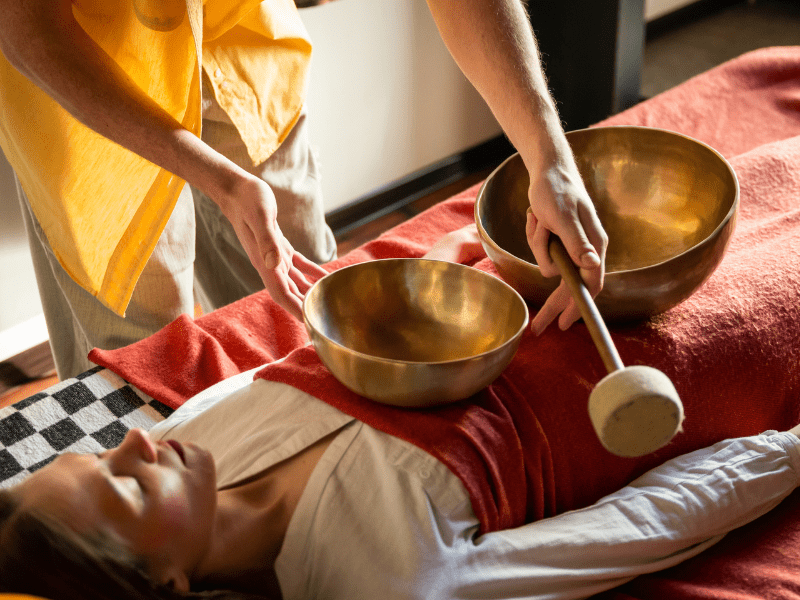
A sound bath is a group or individual experience where participants lie down and receive sound from a variety of instruments played in sequence. It’s called a “bath” because the sound waves are experienced as immersive—washing over and through the body.
Focused Listening with Frequencies
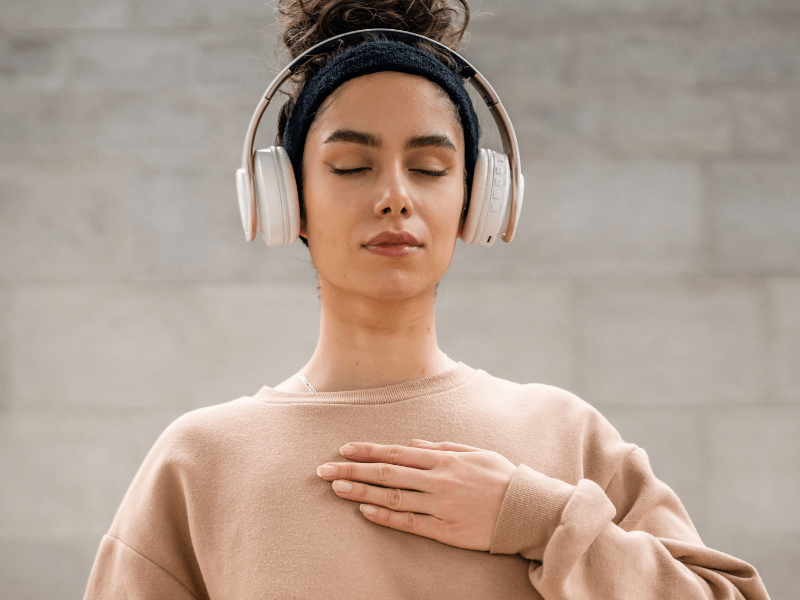
Some practices use pre-recorded tones or tracks—such as 432 Hz, 528 Hz, or binaural beats—to entrain brainwaves and encourage specific states like relaxation, clarity, or emotional release. These can be experienced with headphones or speakers in a quiet setting.
Breath and Intention Integration
Many practitioners combine sound with conscious breathing or energetic intention. Breath helps guide awareness, while intention can shape the direction and depth of the experience. Together with sound, they create a powerful triad for transformation.
How to Access Vibrational Sound Therapy: Self-Practice vs. Working with a Practitioner
One of the beautiful aspects of vibrational sound therapy is that it can be experienced both as a personal practice and as a guided session with a trained practitioner. Each approach offers its own benefits, and what you choose depends on your intention, comfort level, and needs.
Practicing Vibrational Sound Therapy on Your Own
You don’t need to be an expert to begin. Many people explore vibrational sound therapy at home using simple tools and techniques:
• Listening to healing frequencies (such as 432 Hz or 528 Hz) with headphones or speakers
• Playing a singing bowl, chime, or tuning fork during meditation or rest
• Using your voice—humming, toning, or chanting mantras to feel the resonance in your body
• Listening to a recording of a sound bath
• Pairing sound with breath and intention for grounding or emotional clarity
These personal practices are gentle, intuitive, and accessible. Over time, they can become powerful tools for nervous system regulation, self-awareness, and inner alignment. Self-practice also cultivates deep listening, learning how your body and energy respond to different sounds.
Working with a Practitioner
A trained practitioner offers a more targeted and immersive experience. They bring a deeper understanding of how different sounds and frequencies interact with the body’s systems—physically, emotionally, and energetically. This allows them to tailor sessions based on your unique needs.
Additionally, working with a practitioner provides not only the sound itself, but also support before, during, and after the session. They can help you reflect on what you felt, answer questions, and offer insights to help you integrate the experience more deeply.
They’re often known as sound therapists, vibrational healing practitioners, energy workers, or Nāda Yoga teachers. Some have formal training and certification, while others come through spiritual or traditional paths. In a one-on-one or group setting, their role is to hold space, select the right instruments or techniques, and guide you through a deeper sound journey.
You can find sessions in:
• Yoga and meditation studios
• Wellness and healing centers
• Wellness retreats
• Online offerings (both live and pre-recorded)
Which is Right for You?
There’s no one right way to experience vibrational sound therapy. If you’re just starting, self-practice is a gentle and empowering place to begin. If you’re looking for more depth, support, or transformation, a practitioner can help guide the experience with intention and skill.
Many people choose to combine both, enjoying private or group sessions while maintaining a regular home practice.
Vibrational Sound Therapy VS Vibration Therapy
Although they sound similar, vibrational sound therapy and vibration therapy refer to two different practices. It’s easy to mix them up at first, but they come from different traditions and serve different purposes.
Vibrational sound therapy is a subtle, sound-based practice that uses instruments like singing bowls, gongs, chimes, tuning forks, or even the human voice to produce sound waves that influence the body, mind, and energy system.
These sound vibrations work through principles such as resonance and entrainment, gently guiding the body into states of deep relaxation, emotional release, and energetic balance. People often experience it in meditative settings, sound baths, or one-on-one sessions that calm the nervous system and restore inner harmony.
Vibration therapy, on the other hand, is a more physically focused treatment often used in physiotherapy, fitness, or rehabilitation settings. It involves the use of mechanical devices that produce rapid physical vibrations to stimulate muscles, improve blood flow, and increase bone density.
People may stand on a vibrating platform or use handheld tools designed to target specific areas of the body. The goal is to affect the muscular and skeletal systems through direct physical stimulation.
Overall, vibrational sound therapy uses sound and frequency to affect the subtle body, working through the nervous system, emotions, and energetic layers. On the other hand, vibration therapy uses mechanical movement to impact the physical body, especially the muscles and bones.
Both have their place in supporting well-being, but they offer entirely different experiences and outcomes. If your interest lies in inner balance, deep rest, or spiritual connection, it’s vibrational sound therapy that you’re likely looking for.
This post was all about vibrational sound therapy.
Curious to explore more? Follow us on social media or join our newsletter for sound rituals, guided practices, and new offerings each month.


