
40 Hz Frequency Benefits: How Binaural Beats Can Improve Focus and Clarity
Looking for a simple way to feel more focused and calm? Many people are turning to sound for support, and 40 Hz frequency benefits are gaining attention for a reason.
Many people are exploring the power of sound to support focus, relaxation, and overall well-being. One tone that stands out for its calming and clarifying effects is 40 Hz.
In this post, we’ll take a closer look at 40 Hz frequency benefits: what they are, how this frequency affects the mind and body, and simple ways you can use it in your daily life.
40 Hz has gained attention for its potential to support mental clarity, focus, and brain health. It’s often used in binaural beats and sound therapy sessions as a gentle way to create a focused, calming atmosphere. Whether you’re looking to feel more balanced or explore the effects of sound in a natural way, 40 Hz offers a simple and accessible starting point.
From the science behind it to the tools that make it easy to try at home, this guide will help you discover how 40 Hz can become a meaningful part of your wellness routine.
This post is all about 40 Hz frequency benefits.
This post may contain affiliate links. We may earn a small commission at no extra cost to you—thank you for supporting what we do. We only share offerings we truly believe in.
What is 40 Hz Frequency?
40 Hz frequency is a steady vibration that repeats 40 times per second. While it may sound simple, this particular frequency is known for its powerful effects on the mind and body. People often turn to 40 Hz when they want to feel more focused, mentally clear, or deeply relaxed.
What makes 40 Hz stand out from other frequencies is its unique connection to mental clarity, concentration, and even memory support. It’s often used in sound therapy, meditation music, and binaural beats to help calm the mind, improve focus, or create a peaceful atmosphere for rest.
In ancient times, people used rhythmic drumming, chants, and low tones for healing and spiritual practices. While they didn’t measure sound like we do today, many of these sounds were likely close to 40 Hz. This frequency blends ancient tradition with modern uses, offering a simple way to feel more centered and clear through sound.

Science Behind 40 Hz Frequency Benefits
40 Hz frequency is part of the gamma brainwave range, which is the fastest type of brain activity. Gamma waves naturally occur when the brain is in a state of heightened awareness, focus, and mental clarity. What makes 40 Hz especially interesting is its ability to help the brain entrain, or sync, to that same rhythm when exposed to 40 Hz sound or light.
This process is called brainwave entrainment.
It happens when external rhythmic stimuli, like sound vibrations, gently guide the brain to match their frequency.
In simple terms, if you listen to a sound pulsing at 40 Hz, your brain activity can begin to mirror that rhythm, shifting into a gamma state. This effect helps increase focus, improve memory, and promote mental balance.
Entrainment works because of the brain’s natural tendency to respond to repetitive, rhythmic patterns. These patterns influence the electrical activity of neurons, helping different parts of the brain coordinate and communicate more effectively. This is especially important for tasks that require learning, attention, or problem-solving.
Scientific research has shown promising results with 40 Hz frequency. A groundbreaking study from MIT found that 40 Hz light and sound stimulation helped clear harmful beta-amyloid plaques in mice, which are linked to Alzheimer’s disease. Follow-up studies are now exploring how 40 Hz sound therapy might support cognitive function in humans, especially those at risk for memory loss or neurodegenerative diseases.
In addition to brain benefits, 40 Hz sound may also affect the nervous system. Vibrations at this frequency can activate the parasympathetic response, the body’s natural “rest and digest” mode, leading to a state of calm and relaxation. This makes 40 Hz useful not only for mental clarity but also for reducing stress and restoring balance in the body.
While research is still developing, the early findings suggest that 40 Hz frequency has the potential to support brain health and emotional well-being, simply through the power of sound and rhythm.
40 Hz Frequency and Binaural Beats
Binaural beats are a unique way to experience sound, where two slightly different tones are played—one in each ear—and the brain perceives a third tone that is the difference between them.
For example, if you hear 420 Hz in one ear and 460 Hz in the other, your brain picks up a beat at 40 Hz. This effect requires headphones to work properly, as each ear needs to receive a separate tone.
Many people who explore 40 Hz frequency use binaural beats because they are widely available, easy to use, and can be played on most audio devices with headphones. While some may listen to pure 40 Hz tones or use sound therapy tools, binaural beats are one of the most common ways to experience this frequency in everyday life.
It’s also helpful to know that the lowest frequency most people can hear is around 20 Hz. Sounds below that, known as infrasound, are often felt more than heard. Since 40 Hz is just above this threshold, it has a deep, low tone that can feel subtle but is fully within the range of human hearing.

Download Our FREE Healing Frequencies Bundle!
Get instant access by filling out the form below! This free 5-page bundle includes a chart linking each healing frequency to its benefits, along with chakra and solfeggio diagrams and a comparison chart.
40 Hz Frequency Benefits
Improved Mental Clarity and Focus
40 Hz is linked to enhanced concentration and cognitive performance. Many people use this frequency while working or studying to help the mind feel clear, alert, and focused. Its steady rhythm may help reduce distractions and support mental sharpness.
Support for Memory and Learning
Research suggests that 40 Hz stimulation may improve memory and support learning processes. It is believed to help the brain organize and retain information more effectively, making it useful during study sessions or tasks that require mental effort.
Reduced Stress and Anxiety
The steady, low vibrations of 40 Hz can have a calming effect on the nervous system. Many people report feeling more relaxed, grounded, and emotionally balanced after listening to 40 Hz sound, which may help lower stress levels and ease anxiety.
Brain Health Benefits
Studies are exploring how 40 Hz frequency may support long-term brain health. Some early research has shown that regular exposure to 40 Hz sound or light may help reduce harmful brain plaque buildup and support neuroplasticity, which is the brain’s ability to heal and adapt.
Better Sleep and Relaxation
Although 40 Hz is not a sleep frequency like delta waves, it may help prepare the body for rest by calming the mind and easing mental tension. Some people find it useful before bed or during relaxation practices like meditation, as it helps quiet mental chatter.
Enhanced Emotional Balance
Regular exposure to 40 Hz sound can help promote a stable emotional state. Many people report feeling more centered and emotionally resilient after listening, making it a helpful tool during meditation or moments of emotional stress.
Stimulation of the Vagus Nerve
Some sound therapists believe that low-frequency vibrations like 40 Hz can help stimulate the vagus nerve, which plays a key role in calming the body, reducing inflammation, and supporting overall nervous system health. While more research is needed, this is an emerging area of interest.
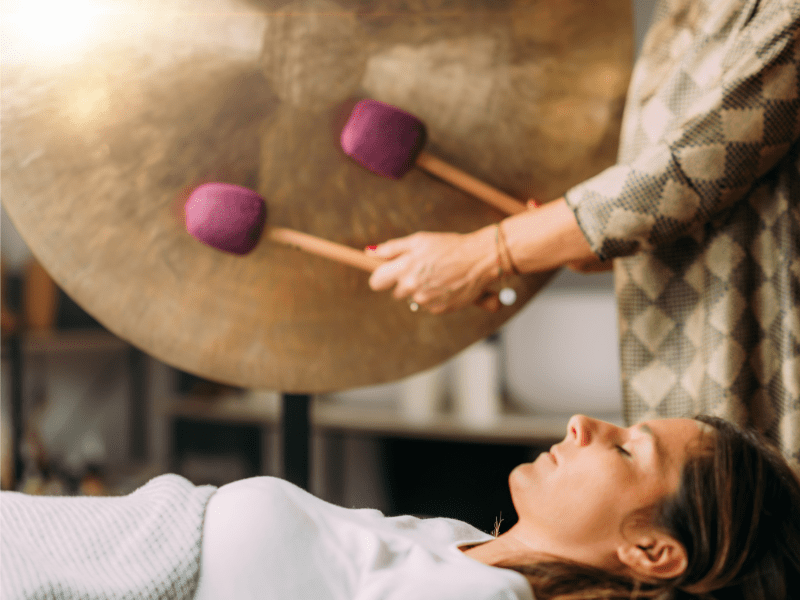
Sensory Integration and Grounding
40 Hz sound can help individuals feel more connected to their body and environment, which is especially useful for grounding and sensory regulation. It’s sometimes used in therapeutic settings for people with sensory processing challenges, as the steady rhythm can be soothing and stabilizing.
Support for Meditation and Mindfulness
Many people use 40 Hz frequency during meditation or breathwork. Its steady rhythm helps quiet the mind while maintaining a sense of alertness and presence. This makes it useful for mindfulness practices where deep relaxation is desired without feeling sleepy or distracted.
Physical Relaxation and Pain Relief
Some forms of sound therapy use low frequencies like 40 Hz to support muscle relaxation and ease physical tension. In certain cases, vibration-based treatments using 40 Hz have been studied for their potential to reduce chronic pain and promote physical calm, although more research is needed.
Tools and Tips for Using 40 Hz Frequency
Binaural Beats and Audio Tracks
Listening to 40 Hz through binaural beats or specially made audio tracks is one of the easiest ways to experience its effects. These recordings are often used during meditation, focus sessions, or relaxation, and help guide the brain into a calm and clear state.
Frequency Generators and Tone Apps
Some tools, like frequency generators or tone-producing apps, allow you to play a pure 40 Hz sound through your headphones or speakers. These are used in personal sound therapy and offer a simple way to experience the steady rhythm of 40 Hz.
Vibroacoustic Tools
Devices such as sound chairs, vibration mats, or specialized speakers can send 40 Hz vibrations directly through the body. This allows you to feel the frequency, which may support deeper relaxation and grounding. These tools are often used in wellness settings but can also be found for home use.
Speakers and Headphones
Not all speakers or headphones can accurately play low frequencies like 40 Hz. Using equipment designed for deep bass ensures that you hear and feel the full effect of the sound, making your experience more effective and enjoyable.
Start with Short Sessions
Begin by listening to 40 Hz for about 10 to 20 minutes at a time. This allows your body and mind to adjust to the frequency without feeling overwhelmed.
Use It During Daily Routines
Incorporate 40 Hz into your morning meditation, focused work sessions, or evening wind-down. Making it part of a regular routine can help you experience consistent benefits. Also be sure to find a quiet, comfortable space where you won’t be disturbed.
Notice How You Feel
Pay attention to how your mind and body respond. Some people feel more focused, others more relaxed. You can also keep a simple journal to track your experiences over time, which may help you notice subtle changes and refine how you use 40 Hz for your needs.
Be Consistent Over Time
Like any wellness practice, the benefits of 40 Hz may build gradually. Regular listening (daily or several times a week) can help deepen the effects over time.
This post was all about 40 Hz frequency benefits.
Curious to explore more about the power of sound and frequency? Join our newsletter for tips, tools, and sound-based practices—or follow us on social media for regular inspiration and updates!


