
Why Is Mindfulness Important? How It Shapes Mental Health, Workplace & Daily Living
Many of us move through the day without really being there for it — rushing, reacting, repeating. So it’s worth pausing to ask: why is mindfulness important, and what changes when we start paying attention?

Why is mindfulness important, and what makes it such a powerful practice for modern life? Mindfulness helps us pause long enough to notice our thoughts, emotions, and surroundings with awareness rather than reactivity. This shift not only supports mental well-being but also influences how we work, learn, communicate, and care for our physical health.
In this article, we’ll explore what mindfulness really means and the benefits of mindfulness for both the mind and body. You’ll discover why it’s important for physical and mental health, emotional balance, and relationships, along with its growing role in workplaces and schools.
We’ll also look at practical ways to begin, from how to practice mindfulness to simple exercises you can try in daily life.
This post answers the question: Why is mindfulness important?
TABLE OF CONTENTS
What is Mindfulness?
———–
Why is Mindfulness Important?
Benefits of Mindfulness
Mindfulness for Mental Health
For Physical Health
For Relationships
For the Workplace
For Students and Teachers
———–
How to Practice Mindfulness
Simple Mindfulness Exercises to Get Started
This post may contain affiliate links. We may earn a small commission at no extra cost to you—thank you for supporting what we do. We only share offerings we truly believe in.
What is Mindfulness?
Mindfulness is the practice of being fully present. It’s about being aware of where you are, what you’re doing, and how you feel without getting lost in distraction or judgment.
At its core, mindfulness is a way of bringing attention back to the here and now, instead of replaying the past or anticipating what’s next.
While mindfulness has roots in ancient contemplative traditions, it’s now widely recognized and studied in psychology and neuroscience. Jon Kabat-Zinn, who developed the Mindfulness-Based Stress Reduction (MBSR) program at the University of Massachusetts, defines mindfulness as “paying attention in a particular way: on purpose, in the present moment, and non-judgmentally.” This simple shift in awareness can have profound effects on how we experience life and offers the foundation for understanding why mindfulness is important in so many aspects of well-being.
When you practice mindfulness, you begin to notice thoughts, sensations, and emotions as they arise, rather than reacting automatically. Over time, this awareness cultivates greater emotional balance, mental clarity, and a deeper sense of peace. It isn’t about clearing the mind or avoiding thoughts. It’s about learning to observe them with openness and compassion.
Why is Mindfulness Important?
When we practice awareness, we begin to see how attention shapes everything: our health, our emotions, our work, and our relationships. In this section, we’ll explore why mindfulness matters on both a personal and practical level, from its mental and physical benefits to how it supports focus, balance, and meaningful connection in everyday life.
Benefits of Mindfulness
When practiced regularly, mindfulness reshapes how the mind and body respond to stress, emotion, and our daily experiences. By cultivating awareness, we begin to move from reacting automatically to responding with clarity and presence.
Studies have shown that mindfulness can reduce stress hormones, calm the nervous system, and support better emotional regulation. People who practice consistently often report improved focus, better sleep, and a greater sense of balance. It also nurtures qualities like patience, compassion, and self-understanding, which strengthen relationships and overall well-being.
Beyond emotional and mental health, mindfulness has measurable physical effects. Research links it to lower blood pressure, decreased inflammation, and improved immune response. These physiological changes show how closely the mind and body are connected, and how mindfulness helps restore that natural alignment.
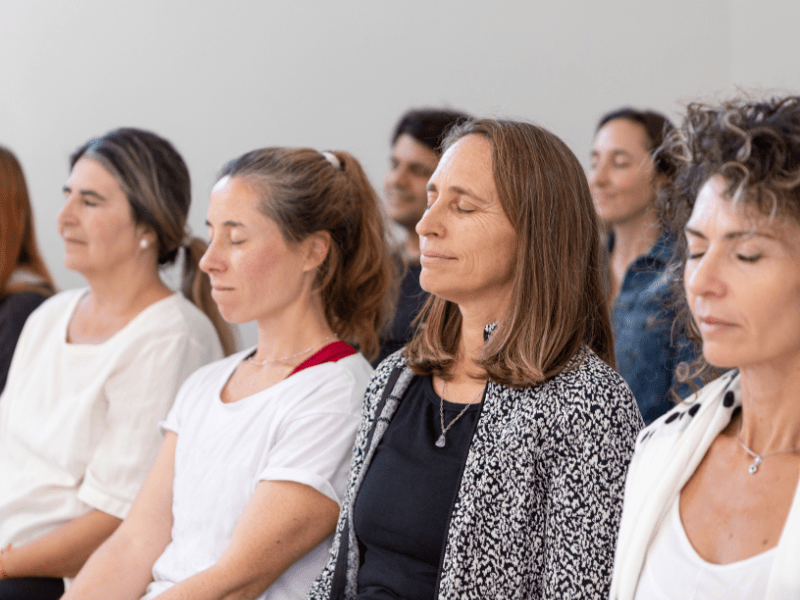
Why is Mindfulness Important for Mental Health?
Mindfulness plays a powerful role in maintaining emotional balance and psychological well-being. It helps calm the mind’s constant analysis and self-criticism, allowing thoughts and emotions to be observed with distance rather than absorbed completely. This shift in awareness can help relieve anxiety and depression, as well as change negative thinking patterns that overwhelm the mind.
Consistent practice has been shown to lower cortisol levels and quiet the brain’s stress centers, leading to measurable improvements in mood and concentration. People often describe feeling more grounded, less reactive, and better able to navigate uncertainty. Instead of getting pulled into spirals of worry or self-doubt, they begin to develop a steadier sense of inner space that supports clarity and resilience.
Mindfulness doesn’t replace therapy or treatment, but it complements mental health care beautifully. It provides tools for awareness, acceptance, and emotional regulation that empower individuals to respond to life’s challenges with greater compassion and stability.
For Physical Health
The effects of mindfulness extend deep into the body. Modern research shows that practicing it can help lower blood pressure, reduce chronic pain, and even strengthen immune function. These physiological changes reflect the body’s response to a calmer, more regulated nervous system.
When stress is constant, the body releases hormones like cortisol and adrenaline, which over time can strain the heart, disrupt digestion, and weaken immunity. Mindfulness helps interrupt this stress cycle. By engaging the parasympathetic, or “rest and digest,” response, it supports recovery, balance, and natural healing processes.
Studies also show that mindfulness-based programs can aid in managing conditions such as heart disease, insomnia, and chronic pain. Participants often report not just reduced symptoms, but an improved relationship with their bodies, like having more awareness of tension, fatigue, and the signals that call for rest.
For Relationships
Mindfulness also transforms how we connect with others. By bringing greater awareness to our thoughts, words, and emotional reactions, it helps create space for empathy and understanding. It teaches us to listen without immediately judging or preparing a response, which deepens trust and communication.
Research suggests that couples and families who practice mindfulness together report higher relationship satisfaction and less emotional reactivity. Studies also show that mindfulness training can enhance compassion and reduce automatic defensive patterns, the very habits that often lead to misunderstanding and conflict.
When we approach interactions with presence, we begin to recognize our shared human experiences without letting them define or divide us. Mindfulness helps soften the edges of ego and expectation, allowing relationships to feel more authentic and less reactive.
Mindfulness at the Workplace
Workplaces today are full of constant stimulation. There’s endless messages, meetings, deadlines, and decisions that leave little room for pause. In that pace, mindfulness offers a way to stay centered and intentional instead of reactive. It allows people to bring their full attention to what they’re doing, which naturally improves focus, communication, and emotional steadiness.
Research shows that mindfulness programs in professional settings can lower stress levels, reduce burnout, and support overall job satisfaction. Perhaps more importantly, it changes how people relate to challenges. Rather than working from tension or fatigue, employees begin to notice their limits, rest when needed, and return to tasks with clarity and balance.
Mindfulness also supports a more compassionate work culture. It encourages listening, patience, and self-awareness which are qualities that strengthen collaboration and leadership alike.
When people feel calmer and more grounded, the work environment shifts too. Meetings become more thoughtful, feedback becomes easier to receive, and creativity has space to grow.
Why is Mindfulness Important for Students and Teachers?
For students and teachers alike, mindfulness can create space for learning and connection. It helps students build attention and emotional awareness. For teachers, it offers steadiness amid the daily rhythm of planning, guiding, and responding to dozens of unique personalities and needs.
Research has shown that mindfulness in education settings can improve concentration, emotional regulation, and overall classroom climate. Students who practice mindfulness tend to feel calmer and more confident when faced with exams or social stress. Teachers who engage in it report lower burnout and greater job satisfaction, which naturally translates into a more supportive learning environment.
Beyond academic performance, mindfulness fosters curiosity and compassion which are qualities that make classrooms feel safe and creative. It reminds both students and educators that learning is not just about outcomes, but about presence, patience, and genuine engagement with each moment of the process.
How to Practice Mindfulness
If you’re new to mindfulness, the goal isn’t to “empty the mind” or sit perfectly still. It’s to learn how to meet each moment with awareness. These tips can help you begin gently and meaningfully.
Start Small, Stay Consistent
Begin with just five minutes a day. Choose a quiet time, perhaps right after waking up or before bed, and use it to simply notice your breath or surroundings. Consistency matters more than duration.
Let Go of Expectations
Mindfulness isn’t about achieving instant calm or enlightenment. Some days you’ll feel peaceful; other days you won’t. The practice is simply to notice what’s happening, even if what’s happening feels messy.
Begin With Everyday Moments
You don’t need a meditation cushion to start. Try bringing awareness to simple parts of your day — brushing your teeth, walking to the car, or washing your hands. Each routine action can be an entry point into presence.
Bring Compassion Into the Practice
When your mind wanders (and it will), try replacing frustration with curiosity. Notice where it went and gently bring it back. Mindfulness grows from compassion and self-kindness, not control. Treat yourself gently as you learn.
Anchor Yourself With the Senses
The easiest way to reconnect when you feel scattered is to notice your senses: what you can see, hear, feel, or smell right now. Sensory awareness grounds you in reality when thoughts feel overwhelming. You can also notice your breath as a natural tool to guide your attention.
Create a Small Daily Ritual
Choose one short moment each day, perhaps when you wake up or before you sleep, to simply pause. Even a single minute of conscious breathing can begin to shift your inner pace.
Remember It’s a Skill, Not a Quick Fix
Like any practice, mindfulness deepens through repetition. Some days will feel effortless, others will feel challenging and both are part of the process. What matters is showing up with openness.

Simple Mindfulness Exercises to Get Started
Once you understand why is mindfulness important, the next step is to experience it for yourself. These simple practices are approachable for beginners and can be done anywhere.
Mindful Object Exercise
Choose a small object near you, like a stone, pen, leaf, or cup. Hold it and observe its color, texture, weight, and temperature. Notice every tiny detail as if you’re seeing it for the first time. This practice sharpens focus and awakens curiosity.
Five-Finger Breathing
Hold out one hand. With the index finger of the other hand, trace the outline of each finger slowly. Inhale as you move up one side of a finger, exhale as you move down. This exercise helps calm the nervous system and focus attention.
Gratitude Pause
Pause at some point in your day and name one thing you appreciate. Choose something simple and real, like sunlight on your face or a message from a friend. Take a slow breath and let yourself feel it. Gratitude naturally grounds the mind.
5-4-3-2-1 Grounding Technique
This classic mindfulness exercise uses your senses to anchor you in the present when your thoughts feel scattered. It only takes a minute, but it brings you fully back to your senses. Notice: 5 things you can see, 4 things you can feel or touch, 3 things you can hear, 2 things you can smell, 1 thing you can taste
Mindful Journaling Minute
Take 60 seconds to write down whatever you notice right now — sensations, emotions, or thoughts. No judgment, no editing. Writing slows the mind just enough to reveal what’s present with more clarity. You can also use a mindfulness journal with daily prompts and practices to help you stay inspired.
One-Minute Smile
Close your eyes and gently lift the corners of your mouth into a light smile. Notice how even a small physical gesture can shift mood and energy. This helps cultivate gentle positivity and relaxation.
This post answered the question: Why is mindfulness important?
Ready to experience the benefits for yourself? Subscribe to our newsletter for simple practices, sound journeys, and mindful inspiration each month.


