
Best Frequencies for Meditation: Simple Ways to Enhance Your Practice
Looking for the best frequencies for meditation? Here’s how specific sound vibrations can help you relax, focus, and reach deeper states of stillness.

Sound has always played a powerful role in meditation, from chants and mantras to healing instruments that quiet the mind. Today, many people use frequencies for meditation to deepen focus, balance the nervous system, and bring a sense of calm awareness.
In this guide, we’ll explore how different meditation frequencies work and why they have such a profound effect on the mind and body. You’ll learn what sound frequencies are and the science behind how they interact with the brain and nervous system.
We’ll look at the best frequencies for meditation, including popular tones from the Solfeggio scale, and understand how brainwave frequencies and binaural beats can guide you into deeper states of awareness. Finally, we’ll share practical ways to use these frequencies in your own meditation practice.
Whether you’re new to sound-based meditation or looking to refine your practice, this article offers a complete overview of how frequencies for meditation can support mindfulness, relaxation, and inner balance.
This post is all about frequencies for meditation.
This post may contain affiliate links. We may earn a small commission at no extra cost to you—thank you for supporting what we do. We only share offerings we truly believe in.
What Are Frequencies for Meditation?
Frequencies for meditation are specific sound vibrations that help quiet the mind and guide you into deeper awareness. Every sound has a frequency, which is the number of times it vibrates per second. And these vibrations interact with both the body and the mind.
When you listen to certain tones or instruments, your system naturally begins to resonate with them, helping you relax, focus, and feel more centered.
Sound works as an anchor in meditation. Instead of trying to silence the mind, you give it a point of attention (the sound) to settle around. Low, steady sounds can help release tension and ground your awareness, while higher tones or harmonic layers may bring clarity and uplift your energy.
Over time, listening in this way can make it easier to move into stillness and stay present.

Science Behind Meditation Frequencies
The calming effect of sound has both energetic and scientific roots. Modern research shows that listening to specific frequencies for meditation can influence brain activity through a process called entrainment, where brainwaves begin to match the rhythm of external sounds.
This shift can move the mind from busy beta waves to slower alpha and theta waves, which are associated with relaxation, creativity, and deep meditation.
Studies on sound meditation have found that frequencies can help reduce stress, lower heart rate, and promote a sense of mental clarity. This supports what many spiritual traditions have practiced intuitively for centuries. Even subtle changes in tuning, such as music played at 432 Hz, can create a more peaceful physiological response.
Sound doesn’t only affect the brain. It also interacts with the nervous system and body tissues. Because the human body is made mostly of water, vibrations travel through it efficiently, creating gentle internal movement known as resonance. This can help release physical tension and activate the parasympathetic nervous system, which supports rest, digestion, and emotional regulation.
While science continues to explore the full range of these effects, the evidence so far suggests that sound can serve as a practical tool for relaxation and meditation.
Best Frequencies for Meditation and Their Effects
Solfeggio Frequencies
Many of the best frequencies used for meditation come from the Solfeggio scale — a set of ancient sound tones that have been used for centuries to promote balance and spiritual awareness. These frequencies were originally part of sacred music traditions and are believed to carry vibrations that help restore harmony within the body and mind.
Several of the meditation frequencies you’ll read about in the next section, such as 528 Hz, 639 Hz, and 852 Hz, come directly from this scale. Over time, the Solfeggio tones have become a foundation for much of modern sound meditation and healing music, offering a structured way to understand how certain vibrations can shift our internal state.
Not all meditation frequencies belong to this system, though. The well-known 432 Hz, for example, isn’t part of the Solfeggio scale but is widely used for its grounding and calming effects. Together, both the ancient Solfeggio tones and modern tunings show how sound continues to serve as a bridge between science, emotion, and inner stillness.
432 Hz: Natural Harmony
Often called the “universal tuning,” 432 Hz is believed to resonate more closely with natural vibrations found in the environment and the human body. Many people find music tuned to this frequency to be soothing and grounding. Practitioners often use it to reduce stress, slow the heart rate, and bring a sense of balance and connection during meditation.
528 Hz: Transformation
528 Hz is associated with emotional release, self-healing, and transformation. People often call it the “love frequency” for its uplifting, heart-centered quality. Meditating with this tone may help release built-up emotional tension, promote a sense of openness, and support inner peace.
639 Hz: Connection and Compassion
639 Hz supports harmony in relationships and helps expand empathy and understanding. It’s often used in meditations that focus on forgiveness or strengthening emotional bonds. This frequency encourages the heart and mind to align, making it easier to experience compassion for oneself and others.

Download Our FREE Healing Frequencies Bundle!
Get instant access by filling out the form below! This free 5-page bundle includes a chart linking each healing frequency to its benefits, along with chakra and solfeggio diagrams and a comparison chart.
741 Hz: Clarity and Intuition
741 Hz is linked with mental clarity, intuition, and cleansing. It can help clear mental chatter and create a sense of lightness or focus, making it ideal before journaling, creative work, or insight-based meditation. Some also use it to “detox” from negative thought patterns or emotional heaviness.
852 Hz: Awareness and Awakening
This frequency is often connected to spiritual awareness and intuition. 852 Hz meditation tones can help shift perception, heighten awareness, and restore alignment between the inner and outer self. Many use it when seeking clarity, purpose, or a deeper meditative experience.
963 Hz: Higher Consciousness
963 Hz activates the pineal gland and supports states of expanded consciousness and deep inner connection. Meditating with this tone may bring a sense of unity and stillness, helping to quiet the ego and open awareness to subtler dimensions of experience.
Brainwave Frequencies and Meditation: Binaural Beats
Binaural beats are a simple yet powerful way to use sound to influence the mind’s state. They occur when you listen to two slightly different tones (one in each ear) and the brain perceives the difference between them.
For example, if one ear hears a tone at 200 Hz and the other hears 208 Hz, the brain detects an 8 Hz beat. That 8 Hz difference corresponds to the alpha brainwave range, which is often linked with relaxation and meditative awareness.
This effect happens because the brain naturally synchronizes its electrical activity with rhythmic external sounds, a process called brainwave entrainment. Different brainwave ranges create or reflect distinct mental states.
Beta (13–30 Hz): active thinking and focus
Alpha (8–12 Hz): relaxed alertness and gentle meditation
Theta (4–8 Hz): deep meditation, creativity, and intuition
Delta (0.5–4 Hz): deep rest and dreamlike awareness
When it comes to meditation, the best frequencies are usually found in the alpha and theta ranges. Alpha frequencies help you unwind while staying conscious. These are ideal for mindfulness, breath awareness, or body scans. Theta frequencies take you deeper, supporting visualization, creativity, and transcendental meditation.
Some people also explore low delta frequencies for profound stillness or before sleep, while higher alpha-to-beta blends can be useful for focus-based or active meditations.
How to Use Frequencies for Meditation
Listen to Frequency Recordings
Start with high-quality recordings or tracks designed for meditation. These can include pure tones, binaural beats, or layered soundscapes. Find a comfortable position, close your eyes, and let the sound take your attention inward.
Use Singing Bowls or Instruments
If you have access to singing bowls, chimes, or tuning forks (great for targeting specific frequencies while still relatively affordable), you can create the frequencies yourself. Strike or play each tone gently and allow it to fade completely before beginning another. This helps you stay present and attuned to subtle shifts in sound.
Choose a Frequency That Matches Your Intention
Different tones can support different states of mind. Before you begin, decide what you’d like to cultivate and choose a sound that resonates with that purpose.
Keep the Volume Gentle
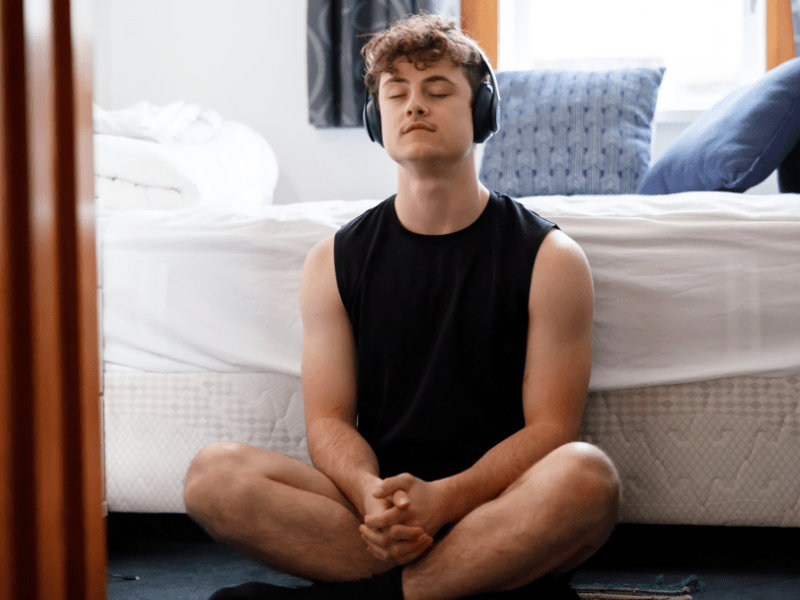
Whether you’re using headphones or speakers, keep the sound soft and immersive rather than loud. Headphones work best for binaural beats or precise tones, while speakers allow the vibration to fill the space and move through your body.
The goal isn’t to fill the room with sound but to immerse yourself in it comfortably. Softer volumes help the body respond naturally and prevent overstimulation.
Use Sound as an Anchor
Let the tone become your point of focus. Instead of trying to silence thoughts, focus on the vibration itself, its rise, sustain, and fade. Let it draw your attention inward and bring you back whenever your mind wanders.
Practice regularly
Even a few minutes a day can make a difference. Over time, your body and mind begin to associate these frequencies with relaxation and balance, allowing you to settle into meditation more easily.
This post was all about frequencies for meditation.
Enjoyed learning about these frequencies? Subscribe to our newsletter to receive new articles, guided sound practices, and upcoming session updates!


