
Dangers of Singing Bowls: Myths, Risks, and Safe Practices
Worried about the dangers of singing bowls? Let’s take a closer look at what’s fact, what’s myth, and how you can enjoy them mindfully.
Singing bowls have become a popular tool for relaxation, meditation, and sound therapy. Yet with their rise in popularity, concerns about the dangers of singing bowls have also surfaced.
There are many questions about physical side effects and deeper concerns about their connection to spirituality, or whether they are appropriate for Christians.
While singing bowls are generally safe for most people, it’s important to understand how they work, who might need to exercise caution, and how beliefs and practices can influence individual comfort levels.
As a sound practitioner with years of experience guiding individuals through sound baths and meditation sessions, I’ve seen firsthand how powerful and supportive singing bowls can be when used mindfully.
In this guide, we’ll explore the real risks and myths surrounding singing bowls and share how to use singing bowls safely so you can enjoy their benefits with confidence.
This post is all about the dangers of singing bowls.
TABLE OF CONTENTS
What Are Singing Bowls?
Are Singing Bowls Dangerous? Debunking the Myths
Potential Dangers of Singing Bowls: What to Be Aware Of
Dangers of Singing Bowls for Christians: Understanding the Concerns
Who Should Avoid Singing Bowls?
How to Use Singing Bowls Safely
FAQ: Common Questions About Dangers of Singing Bowls
This post may contain affiliate links. We may earn a small commission at no extra cost to you—thank you for supporting what we do. We only share offerings we truly believe in.
What Are Singing Bowls?
Singing bowls are ancient musical instruments traditionally associated with the Himalayan regions, particularly Tibet, Nepal, and India. Made from a blend of metals, these bowls produce a rich, resonant tone when struck or circled with a mallet. Historically, they have been used in spiritual practices, meditation, and ritual ceremonies, often serving as a tool to support mindfulness and deep inner stillness.
Today, singing bowls are widely used in wellness practices around the world. They are commonly found in sound therapy sessions, yoga classes, and meditation practices, valued for their ability to create calming vibrations that promote relaxation and mental clarity. The sound produced by a singing bowl is not just heard but felt, as the vibrations move through the body, supporting a sense of balance and ease.
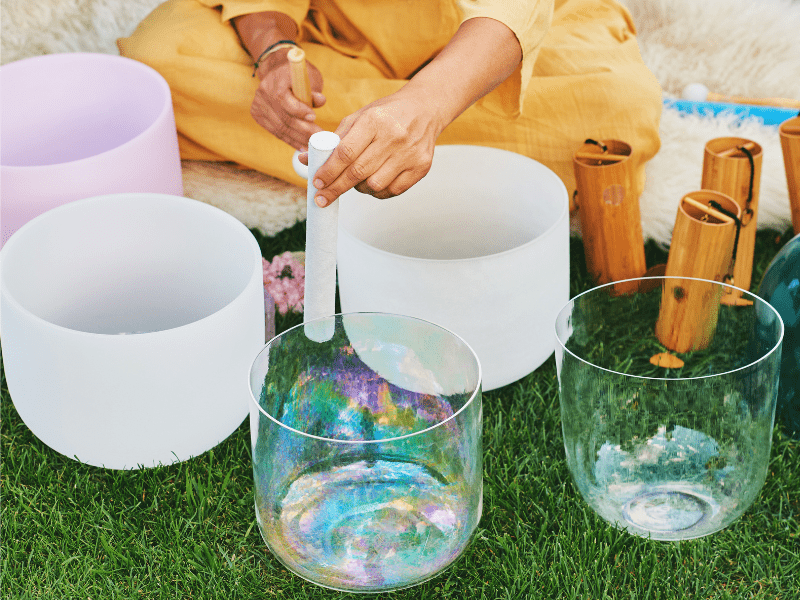
Singing bowls come in various sizes and materials, each producing slightly different tones and effects. While traditional bowls were made primarily from a combination of seven metals, modern versions may also include crystal singing bowls made from quartz.
Regardless of the material, the principle remains the same: the bowl’s vibration and resonance are believed to influence the mind and body, helping individuals enter a more peaceful, centered state.
Are Singing Bowls Dangerous? Debunking the Myths
Singing bowls have a long-standing reputation for promoting relaxation, mindfulness, and emotional balance. However, like many wellness practices, they are sometimes surrounded by misconceptions and concerns. It’s important to clarify that for most people, singing bowls are generally safe when used properly.
The sounds and vibrations produced by singing bowls are gentle and natural. They do not emit harmful radiation or invasive frequencies. Instead, the tones work with the body’s own rhythms, supporting states of deep relaxation and calmness. Many people turn to singing bowls to reduce stress, improve focus, and encourage a deeper connection to themselves through meditative practice.
In fact, studies on sound-based therapies suggest that practices involving instruments like singing bowls can help reduce stress, lower anxiety, and promote a greater sense of well-being. While research is still growing, early findings support what many practitioners have known for years: sound can be a powerful tool for supporting both mental and emotional health.
Claims that singing bowls are inherently dangerous often stem from misunderstandings or isolated incidents where bowls were used incorrectly or without proper awareness. Just like any therapeutic tool, mindful use is important. Extended exposure to loud sounds or placing bowls too close to sensitive areas, like the head, can cause discomfort for some individuals. People with certain medical conditions, such as epilepsy or pacemakers, may also need to exercise caution.
In truth, the majority of people find singing bowls to be a safe and enriching addition to their wellness routines. When used responsibly, they offer a simple yet powerful way to support mental clarity, emotional well-being, and physical relaxation.
Potential Dangers of Singing Bowls: What to Be Aware Of
While singing bowls are generally safe and beneficial for most people, it’s important to be aware of a few potential risks, especially if used without proper care. Understanding these can help ensure that your experience remains both positive and supportive.
Overexposure to Sound
Long or overly intense sessions can sometimes lead to discomfort. Prolonged exposure to loud tones may cause headaches, dizziness, or a feeling of disorientation in sensitive individuals. It’s best to start with shorter sessions and moderate volume, allowing your body to adjust to the vibrations gradually.
Pre-existing Medical Conditions
Individuals with certain health conditions should be cautious. Those with epilepsy, neurological disorders, or sound sensitivities might experience adverse reactions to the deep, resonant sounds. It’s always wise to consult a healthcare professional if you have concerns about how sound therapy could interact with a specific condition.
Pregnancy Considerations
During pregnancy, especially in the first trimester, some practitioners advise caution with deep or low-frequency vibrations. Although many pregnant individuals safely use sound therapy, it’s best to speak with a healthcare provider before participating in singing bowl sessions.
Improper Technique or Poor-Quality Bowls
Using poorly crafted bowls or improper techniques can diminish the benefits and, in rare cases, cause discomfort. Low-quality metal bowls may produce harsh sounds or contain impurities. Playing the bowl too close to the head or body can create an overwhelming sensation rather than a calming one. Investing in a well-made bowl and learning proper techniques ensures a smoother, more beneficial experience.
Emotional Release and Trauma
Singing bowls can induce deep states of relaxation, allowing the mind to quiet and the body to release tension. In this calm state, it’s not uncommon for emotions that are usually hidden beneath the surface to arise. While this emotional release is often part of a natural healing process, it can sometimes feel intense or unexpected, especially for individuals carrying unresolved trauma or grief.
For most healthy individuals, the emotional experiences that arise are manageable and even welcomed as part of personal growth. However, for some, these emotions can feel overwhelming if they are not prepared for the depth of feeling that might come.
This is why it’s important to approach sound practices with awareness and to seek support if needed. Working with a trauma-informed practitioner or someone experienced in holding space for emotional processing can help ensure a safer, more supportive environment when deep emotions are stirred.
Dangers of Singing Bowls for Christians: Understanding the Concerns
One of the more common concerns about singing bowls comes from individuals within the Christian community who wonder if using them might conflict with their faith. Singing bowls have historical roots in spiritual practices from the Himalayan region and are often associated with meditation, mindfulness, and energy work, concepts that some Christians approach carefully.
The Bible does not mention singing bowls specifically. However, some Christians are cautious of practices linked to spiritual systems outside of Christianity, particularly those involving meditation or energy work. Scriptures like Deuteronomy 18:10–12 warn against engaging in practices tied to divination or spiritual forces not aligned with God. For this reason, some believers prefer to avoid practices that seem rooted in non-Christian traditions, even if the practice itself — like using a singing bowl — can be neutral depending on intention.
It’s important to note that singing bowls are, at their core, simply instruments that produce sound and vibration. Many people use them purely for relaxation, stress relief, or supporting focus without attaching any spiritual meaning. For Christians who are cautious, focusing on the physical and mental benefits — rather than spiritual associations — can be a way to use singing bowls without conflicting with their personal beliefs.
Similar concerns exist within other faith traditions as well. Some conservative groups within Islam, for instance, may view certain meditative or sound practices with skepticism, while others focus on their health benefits. Ultimately, whether or not singing bowls are appropriate is a personal decision based on individual beliefs and comfort levels.
If you are unsure, it can be helpful to pray, reflect, or consult with a trusted faith leader. For many Christians, approaching singing bowls as tools for relaxation rather than spiritual rituals provides a way to enjoy their benefits while staying aligned with their faith.
Who Should Avoid Singing Bowls?
While singing bowls are safe for most people, there are a few cases where caution — or even avoidance — is recommended. Understanding who should be more mindful can help ensure that sound therapy remains a positive and supportive practice.
Individuals with Pacemakers
The deep vibrations created by singing bowls can, in very rare cases, interfere with the function of implanted medical devices like pacemakers. Although research is limited, many health professionals recommend that individuals with pacemakers avoid close exposure to strong sound vibrations, particularly near the chest area.
Those with Epilepsy or Neurological Conditions
People with epilepsy or other neurological sensitivities may be at risk of triggering symptoms when exposed to certain sound frequencies. While this isn’t common, it’s wise for individuals with these conditions to consult a healthcare provider before participating in a singing bowl session.
Pregnant Individuals
Pregnancy is not a strict contraindication for singing bowls, but some practitioners recommend caution, especially during the first trimester. Vibrations — particularly low frequencies — may affect the body in ways that are not fully understood, so it’s advisable to check with a healthcare professional before using singing bowls during pregnancy.
Individuals Sensitive to Sound
Some people are particularly sensitive to sound or vibration, whether due to medical conditions or personal preference. For them, the deep tones and resonance of singing bowls might feel overwhelming or uncomfortable. It’s important to listen to your body and discontinue use if discomfort arises.
How to Use Singing Bowls Safely
Whether you are playing a singing bowl yourself or attending a sound bath, taking a mindful approach helps ensure you have a safe and supportive experience. Here are a few tips to keep in mind.
Start Slowly and Gently
If you’re new to singing bowls or sound baths, begin with shorter sessions and moderate sound levels. Allow your body and mind time to adjust to the vibrations, especially if you are sensitive to sound. Over time, you can gradually increase the duration as you become more comfortable.
Maintain a Safe Distance
If you are playing a bowl, avoid placing it too close to your head or directly on your body without proper guidance. In a sound bath, be mindful of your position in the room — sitting or lying a comfortable distance from the bowls can help prevent any overwhelming sensations, particularly near the head or chest.
Choose Quality Instruments and Experienced Practitioners
For those using bowls themselves, investing in a high-quality, well-crafted bowl ensures better sound quality and a more pleasant experience. If you are attending a sound bath, choose events led by experienced practitioners who understand how to create a safe, balanced environment for all participants.
Use Proper Technique
When playing a bowl, strike or circle it gently rather than hitting it forcefully. Loud or aggressive sounds can cause discomfort instead of relaxation. Practitioners should also maintain a steady, calming rhythm to support a soothing experience for the group.
Listen to Your Body
Pay attention to how you feel during and after the session. If you experience dizziness, headaches, or emotional discomfort, it’s okay to take a break, change your position, or even quietly leave if needed. Everyone responds differently, and tuning into your body’s signals ensures a safer experience.
Take Care After a Sound Session
After a sound bath or a personal session, give yourself time to rest and integrate the effects. Staying hydrated is especially important, as it helps the body process any physical or emotional shifts stirred by the sound. Many people find it helpful to relax quietly, journal their experiences, or take a gentle walk afterward to ground themselves.
FAQ: Common Questions About Dangers of Singing Bowls
Can singing bowls cause headaches or nausea?
While rare, some people may experience mild headaches, dizziness, or nausea after long or intense sound sessions. This is usually a sign that the body is sensitive to the vibrations or the sound volume was too high. Starting with shorter, softer sessions can help minimize these effects.
Are there side effects of using singing bowls?
Most people find singing bowls relaxing and beneficial. However, possible side effects can include emotional release, fatigue, or mild physical discomfort, especially after very deep or extended sessions. Listening to your body and taking breaks as needed is important.
Is it safe to use singing bowls every day?
Yes, using singing bowls daily is generally safe when practiced in moderation. Short sessions of a few minutes can support relaxation and mindfulness without overwhelming the body. As always, if you feel discomfort, it’s best to take a break.
For longer sessions such as 1 hour or more, it’s advised to do a maximum of 2 sessions per week until you have a better understanding of how your body responds.
Can children use or attend singing bowl sessions?
Children can benefit from singing bowls, but their hearing is more sensitive. It’s important to keep sessions short and use gentle tones. Supervision ensures the experience stays comfortable and enjoyable for younger participants.
Are crystal singing bowls different from metal ones in terms of safety?
Crystal singing bowls produce a clearer, more powerful sound compared to traditional metal bowls. While both are safe, the sharper tones of crystal bowls may feel intense for beginners or sensitive individuals. Metal bowls tend to offer a softer, more grounded sound.
Can singing bowls interfere with sleep if used at night?
Most people find singing bowls help them relax and improve sleep quality. However, if played too loudly or too stimulatingly before bed, they may have the opposite effect. Using softer, slower tones in the evening is usually best.
Do I need to believe in chakras or energy healing to benefit from singing bowls?
Not at all. Singing bowls can be enjoyed purely for their calming sounds and physical vibrations. No specific spiritual belief is required to experience their relaxing and restorative effects.
This post was all about the dangers of singing bowls.
Looking to learn more about sound practices and wellness? Follow us for more insights on using sound for relaxation and balance. If you found this helpful, don’t forget to bookmark this page so you can return anytime you need a refresher.


