
8 Best Meditation Instruments for Sound Healing and Mindfulness
Looking to deepen your meditation? Learn how meditation instruments and sound healing instruments can transform your practice! Explore different types, benefits, and tips for choosing the right instrument for you.

Meditation has long been a path to inner peace, focus, and clarity — and the right meditation instruments can deepen that journey.
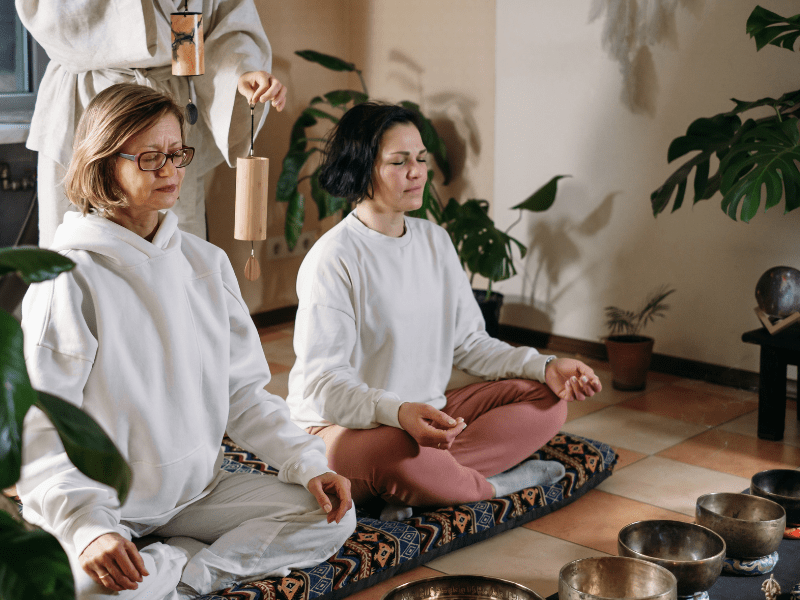
From singing bowls and chimes to flutes and drums, these tools create soundscapes that help quiet the mind, release tension, and anchor awareness. Whether you’re drawn to their gentle tones or the deep resonance they offer, meditation instruments, often used in sound healing practices, can transform how you experience stillness.
Over the years, I’ve explored many sound healing instruments in my own meditation journey. What I found is that even the simplest sounds can open new spaces within, helping shift energy and focus with ease. With so many options available today, it’s important to understand how each instrument works and how to choose the one that resonates with you.
In this guide, explore the different types of meditation instruments, their benefits, and tips on how to choose the one that fits your practice. Whether you’re drawn to the soothing tones of a singing bowl or the rhythmic flow of a handpan, you’ll find insights to help you incorporate these powerful tools into your daily routine.
This post is all about meditation instruments.
This post may contain affiliate links. We may earn a small commission at no extra cost to you—thank you for supporting what we do. We only share offerings we truly believe in.
What Are Meditation Instruments?
Meditation instruments are tools specifically designed to support and deepen meditative practices. They create sounds, vibrations, or tactile sensations that help quiet the mind, enhance focus, and promote relaxation. Whether it’s the gentle hum of a singing bowl or the rhythmic beat of a drum, these instruments guide practitioners into deeper states of mindfulness and awareness.
Traditionally used in cultures around the world, meditation instruments have long been valued for their ability to calm the nervous system and balance energy. Today, they are popular additions to personal meditation spaces, yoga studios, and sound healing sessions. Some of the most well-known meditation instruments include Tibetan singing bowls, gongs, chimes, and flutes — each offering a unique pathway into stillness.
Beyond sound, certain instruments, like the harmonium or shruti box, provide a continuous drone that supports mantra meditation and breathwork. Others, such as the handpan or tongue drum, invite a more intuitive, free-flowing form of meditation through melody and rhythm.
Whether you are new to mindfulness or deepening an established practice, incorporating musical instruments for meditation can transform your sessions. They not only make it easier to enter a meditative state but also enrich the overall experience by engaging the senses in subtle, powerful ways.
Benefits of Using Meditation Instruments
Meditation instruments offer a subtle yet powerful way to deepen your meditation experience. The sounds and vibrations they create provide a steady point of focus, helping anchor the mind and reduce the constant pull of distracting thoughts. Instead of battling the mind’s tendency to wander, the gentle resonance offers something to return to, naturally guiding awareness back to the present moment.
Beyond focus, these instruments also create a calming environment that supports the body’s relaxation response. Research suggests that sound and vibration can influence brainwave activity, encouraging states of consciousness linked with deep rest, creativity, and heightened awareness. Regular use of meditation instruments can help activate the parasympathetic nervous system, fostering emotional balance, reducing stress, and supporting overall well-being.
Types of Meditation Instruments
#1 Singing Bowls
Singing bowls have a long history in Tibetan and Himalayan traditions, often used in meditation and ceremonial practices. Crafted from metal alloys or crystal, these bowls produce a resonant, calming sound when struck or circled with a mallet. Their tones create layers of vibrations that seem to fill the entire space, helping the mind drift into deeper stillness.
One of the unique benefits of singing bowls is their ability to create harmonics — multiple tones at once — which can quickly shift brainwave states and enhance deep relaxation. They can also be used directly on the body, although generally this would require help from a sound practitioner as it’s difficult to do on your own.
For those considering purchasing a bowl, it’s important to listen carefully before choosing. The quality of sound can vary greatly depending on the material, craftsmanship, and size, so trust your ears and feel for a bowl that resonates with you.
#2 Gongs
The gong has been revered for centuries in cultures from China to Southeast Asia. Originally used in temples and rituals, it has found a place in modern meditation and sound healing practices. When played with a mallet, a gong produces deep, complex waves of sound that can be both grounding and expansive, filling the entire space with vibration.
Unlike instruments that offer gentle tones, the gong creates an immersive experience that can help release emotional blockages and reset the nervous system. When selecting a gong, consider the size and material — larger gongs tend to produce a broader range of frequencies and a more enveloping sound.
#3 Drums
Drums, particularly frame drums and shamanic drums, have been used in spiritual traditions around the world to support rhythmic meditation and journeying. Played by hand or with a beater, the steady beat of the drum helps entrain the brain’s rhythms, making it easier to enter trance-like, meditative states.
What sets the drum apart is its primal, grounding effect. Many find that the steady pulse reconnects them with their body and breath. For beginners, a medium-sized frame drum is a versatile option. Natural skin heads create warmer tones, but synthetic options are more durable if you live in a humid climate.
#4 Chimes and Bells
Chimes and bells, ranging from delicate Koshi chimes to small temple bells, offer a light, clear sound that lingers in the air. Traditionally used to mark the beginning or end of a meditation session, their bright tones can also help clear the mind and create a sense of spaciousness.
Their simplicity makes them ideal for anyone new to meditation instruments. A tip for buying: choose chimes made from quality metals or tuned bamboo. The clarity of sound will make a big difference in the atmosphere they create.
#5 Tuning Forks
Tuning forks, initially developed for musical tuning, have found a new role in meditation and vibrational therapy. When struck and held close to the body, they emit pure frequencies that can be felt as much as heard, helping to balance energy and enhance inner awareness.
A unique feature of tuning forks is their precision. They’re often tuned to specific frequencies that correspond to different energy centers or brainwave states. They can also be placed directly on some parts of the body for stronger effects. If you’re buying tuning forks for meditation, consider sets tuned to healing frequencies like 528 Hz or chakra frequencies for targeted benefits.

Download Our FREE Healing Frequencies Bundle!
Get instant access by filling out the form below! This free 5-page bundle includes a chart linking each healing frequency to its benefits, along with chakra and solfeggio diagrams and a comparison chart.
#6 Flutes
Flutes have been used for meditation and ceremonial purposes in cultures across the world, from Native American traditions to Indian classical music. The breath-driven sound of a flute creates a direct connection between breath and tone, encouraging deeper, more mindful breathing as you play or listen.
The unique benefit of the flute lies in its ability to produce flowing, melodic lines that naturally quiet mental chatter. The sound is soft, expansive, and emotionally evocative, making it ideal for meditation focused on heart-opening or introspection. For beginners, native-style flutes or bansuris (Indian bamboo flutes) are excellent choices, with minor pentatonic scales being particularly easy to play intuitively without musical training.
#7 Harmonium and Shruti Box
The harmonium and the shruti box are both drone instruments rooted in Indian classical and yogic traditions. A harmonium is played with one hand pumping the bellows and the other pressing keys to produce chords or simple melodies, while the shruti box is purely for sustained drones without a keyboard.
Both instruments create a continuous, rich bed of sound that supports chanting, mantra repetition, and deep meditation. The steady tone acts as a stabilizing force for the mind, helping maintain focus over longer periods.
A shruti box is simpler and lighter if you prefer pure drone, while a harmonium offers more versatility if you want to add melody to your practice. Look for instruments with good-quality reeds and smooth bellows action to ensure a consistent tone.
#8 Handpan and Tongue Drum
The handpan (also known as hang drum) is a modern instrument, invented in the early 2000s, but has quickly become a favorite in meditation and sound healing circles. Shaped like a UFO and played with the hands, it produces soft, melodic, and resonant tones that seem to float in the air. A related, more accessible instrument is the steel tongue drum, which offers a similar sound profile but is usually smaller and more affordable.
One of the handpan’s unique benefits is its capacity for spontaneous, intuitive play — there’s no need for musical expertise. Its scale is usually fixed to harmonious notes, allowing even beginners to create flowing, meditative music. When choosing a handpan or tongue drum, consider the tuning (minor scales are often more relaxing) and the material, as it affects both tone and durability.
How to Choose the Right Meditation Instrument
Finding the right meditation instrument begins with listening. Not just to the sound it makes, but to how it feels when you play or hear it.
Each instrument offers a different experience: some are grounding and rhythmic, others are airy and melodic. Consider what you want to support in your practice — deep relaxation, focused attention, or emotional release — and choose an instrument that resonates with that intention. It’s also important to think about practical factors like size, portability, and ease of use, especially if you’re just starting out.
When it comes to buying meditation instruments, it’s best to experience them in person if possible. Local music stores, spiritual shops, or specialized sound healing vendors often allow you to try different options.
If you’re shopping online, look for reputable sellers who offer sound samples or detailed descriptions. Also pay attention to craftsmanship and materials. Well-made instruments will produce richer, more stable tones and last longer.
Whether you’re choosing your first singing bowl or expanding your collection, trust your intuition. The right instrument will feel like a natural extension of your practice.

Tips for Using Meditation Instruments in Your Practice
Begin Meditation with Sound
Start your meditation with a few gentle sounds. A soft strike of a bowl or a sweep of chimes helps signal the shift from daily life into stillness. It creates a clear mental boundary and invites a deeper sense of presence right from the beginning.
Use Sound as an Anchor
If your mind begins to wander, reintroducing a subtle tone can bring your focus back. The continuous vibration or simple rhythm acts like a thread, guiding your awareness without force or frustration.
Pair Sound with Breath or Mantra
Instruments like flutes, harmoniums, or shruti boxes naturally complement breathwork and chanting. Matching the rhythm of your playing to your breathing or mantra repetition can create a seamless flow that draws you deeper into meditation.
Embrace Silence Between Sounds
Let the sounds breathe. Pausing between tones or melodies gives the mind space to settle even further, highlighting the contrast between sound and silence — a key to deeper awareness.
Create a Sound Bath for Deeper Relaxation
Toward the end of your session, layering soft, immersive sounds can guide you into profound relaxation. Instruments like drums, rainsticks, or gentle drones create a soothing backdrop that encourages full-body release. You can also play alongside pre-recorded sound baths to embrace a wider variety of sounds.
Mark the End with a Final Sound
Close your practice intentionally with one last clear sound. It could be a resonant strike or a ting of a bell. It helps ground your energy and provides a sense of completion as you transition back into your day.
Start Simple and Trust Your Experience
You don’t need a large collection to begin. Choose one instrument that resonates with you and focus on your experience with it. Meditation instruments are less about musical skill and more about deep listening and feeling.
FAQ: Common Questions About Meditation Instruments
What is the easiest meditation instrument to start with?
For beginners, singing bowls, chimes, or bells are great starting points. They are intuitive to use, don’t require prior musical knowledge, and produce calming sounds with minimal effort.
Can I use multiple meditation instruments in one session?
Yes. Many practitioners combine different instruments — for example, beginning with chimes, moving into a singing bowl, and ending with a rainstick. Layering sounds can create a rich, immersive meditation experience.
How do I know which meditation instrument is right for me?
Listen carefully to the sound and pay attention to how it makes you feel. The right instrument should resonate with you emotionally and fit the intention behind your meditation practice.
Are meditation instruments necessary for a good meditation practice?
No, they aren’t necessary, but they can significantly enhance the experience. Instruments help create an atmosphere of calm and offer a sensory anchor, making it easier for many people to settle into meditation.
Where can I buy authentic meditation instruments?
You can find meditation instruments at specialized music stores, spiritual or wellness shops, and reputable online retailers. Look for sellers who provide sound samples, material descriptions, and information about craftsmanship.
Can meditation instruments be used for stress relief?
Yes. Research suggests that sound and vibration can activate the body’s relaxation response, making meditation instruments effective tools for reducing stress and promoting emotional balance.
This post was all about meditation instruments.
Ready to deepen your practice? Subscribe to our newsletter and follow us for more mindful inspiration and meditation resources.


